
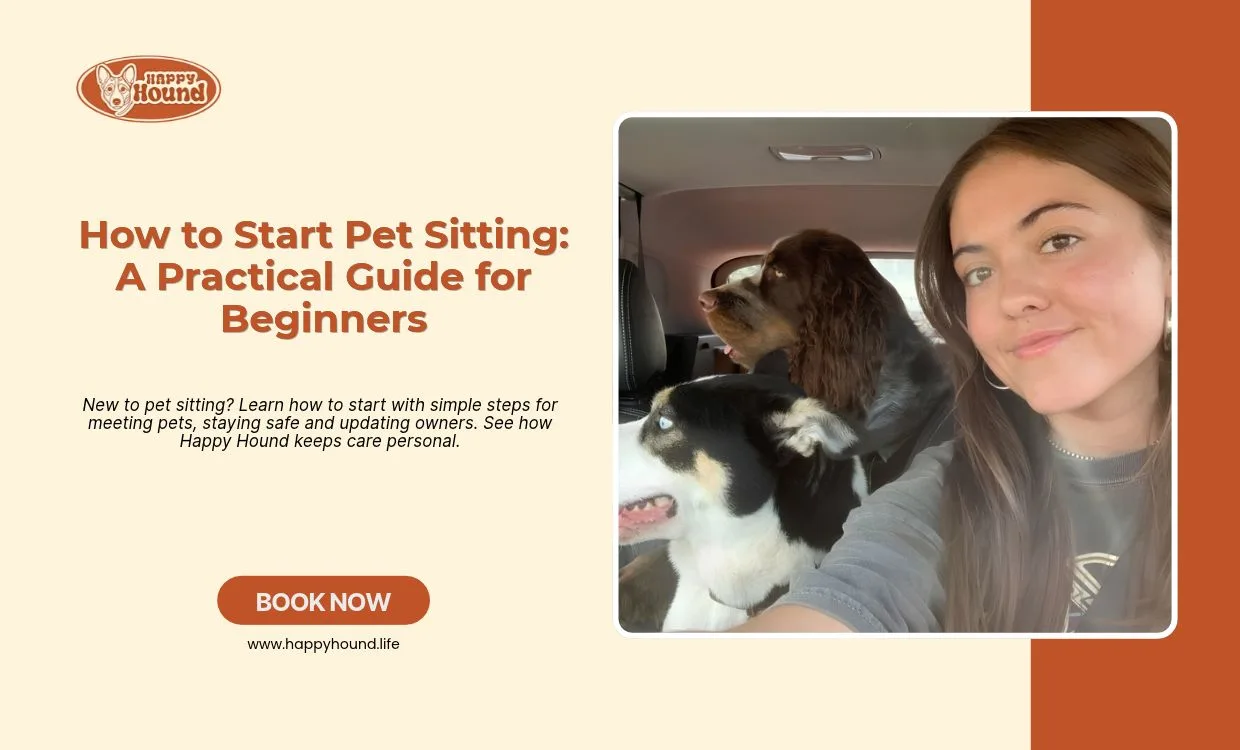
Pet sitting sounds like the easiest side gig going. Walk a dog, scoop some food, send the owner a cute photo. Then night one arrives, the dog won’t settle, and you realise you’re now responsible for someone’s family member. A bit of prep takes most of the stress out of it. These tips apply wherever you live, and a few come from small home-based sitters like Happy Hound, a service in Colorado that does things the simple way.
Meet the Pet Before You Say Yes
If you’re wondering how to start pet sitting, the good news is that you don’t need special qualifications to begin. What you do need is a calm approach, a willingness to learn and a clear routine for every booking. Start small with pets you already know, build up a few honest reviews and keep improving your process as you go. Most beginners find that clients care far more about reliability and communication than about years of experience.
Ask More Questions Than Feels Normal
While you’re there, get the details. What does the pet eat, and when? Any medication? Which vet should you call? What scares it? Fireworks, the doorbell, other dogs and being left alone are the usual culprits.
Ask about vaccinations and flea treatment too, and write everything down. You’ll think you’ll remember it all, but you won’t, especially at midnight.
Make Your Home Safe
Get down to the pet’s eye level and look around. Anything it could chew, swallow or get tangled in should go: medicines, cleaning sprays, charger cables, loose socks. Some plants are poisonous too, lilies being the classic one for cats.
Check your fence for gaps and make sure gates and windows latch properly. Keep pets off balconies altogether.
Give your guest one spot of its own with water, a bed and a litter tray if it’s a cat. A cheap door guard and a washable blanket for the sofa will save you from awkward chats about damage later.
The First Couple of Days
Expect things to feel odd at first. A relaxed dog at home might pace, whine or skip dinner in a new place. Cats often vanish under the bed for hours. That’s normal, so don’t force cuddles. Keep to the owner’s routine for meals and walks, and the pet will usually settle.
Leashes matter more than people think. Clip it on before you open a door or a car, because a nervous animal can be gone in seconds. Be careful around food bowls and favourite toys, since some dogs get protective.
Stick to the food the owner gives you. Chocolate, grapes, raisins, onions, garlic and anything with xylitol can make dogs and cats seriously ill.
If you’ve got more than one animal, feed them apart and keep them separate when you can’t watch. Take extra care when the pets are very different in size or species.
Keep the Owner Updated
Owners relax when they hear from you. One message a day with a photo and a line about meals, walks and mood is plenty. If something odd happens, like a limp, a skipped meal or a scuffle with another dog, tell them right away, not at handover.
It also protects you. A simple log on your phone settles any “what happened?” questions later, and it’s the main reason clients book you again.
A Real-World Example
Small sitters often do this well because they know each animal personally. Take Happy Hound. The owner invites clients to see her home and backyard and talk through the dog’s habits before anything is booked, and she offers stays at either her place or the client’s. You don’t need a big backyard to copy the idea. Meet first, keep things calm, give daily exercise and stay in touch. That works in any city.
Frequently Asked Questions
1. Do I need experience to start pet sitting?
Not really, but be honest about what you’ve done. Start with pets belonging to friends or family, learn basic pet first aid, and tell owners straight how much experience you have.
2. What should I do in an emergency?
Keep your nearest vet’s number and the owner’s contact details somewhere easy to find. Call the vet first, then let the owner know.
3. Is a sitter’s home better than a kennel?
For plenty of dogs, yes. A quiet house is usually less stressful than a loud, busy kennel. But some pets do fine in kennels, so it depends on the animal.
4. How do I look after several pets at once?
Introduce them slowly, feed them separately and watch any play. If you can’t supervise, keep them apart.
Conclusion
Good pet sitting is mostly about preparation, communication and paying attention. Meet the pet first, ask lots of questions, make your space safe and keep the owner in the loop. Do that, and your first job will probably go better than you expect, just like it does for careful sitters such as Happy Hound.